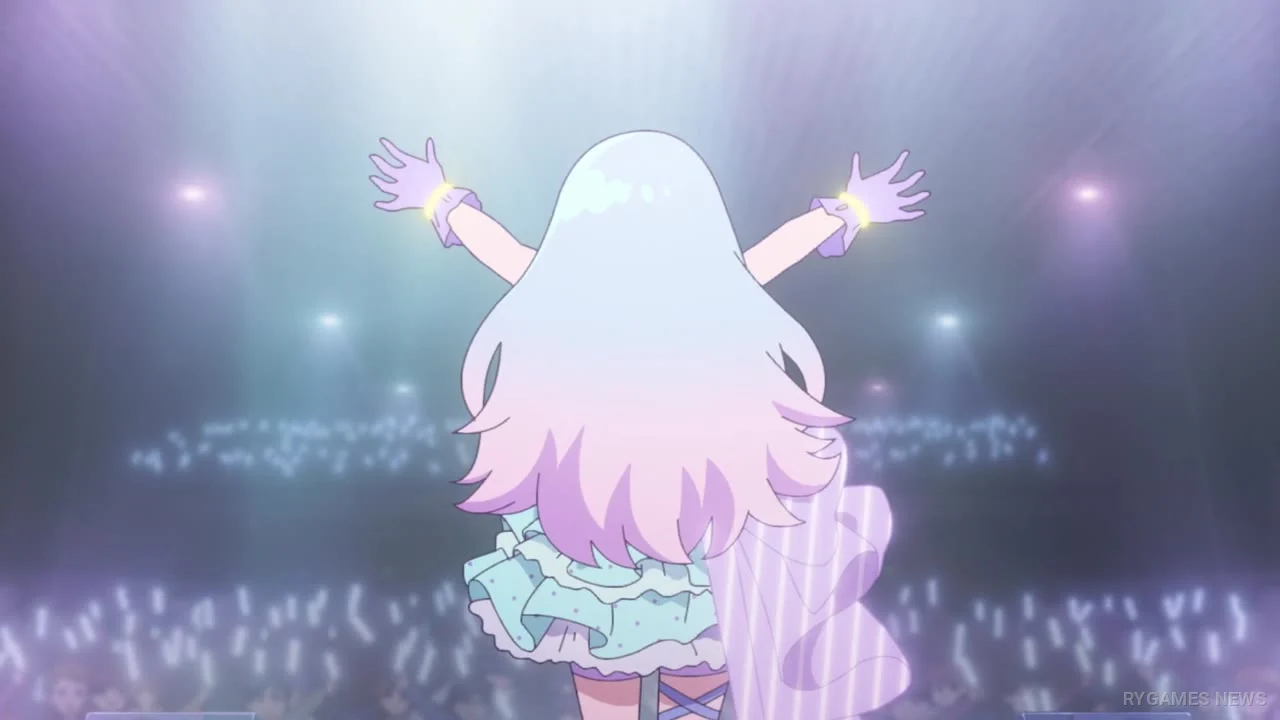

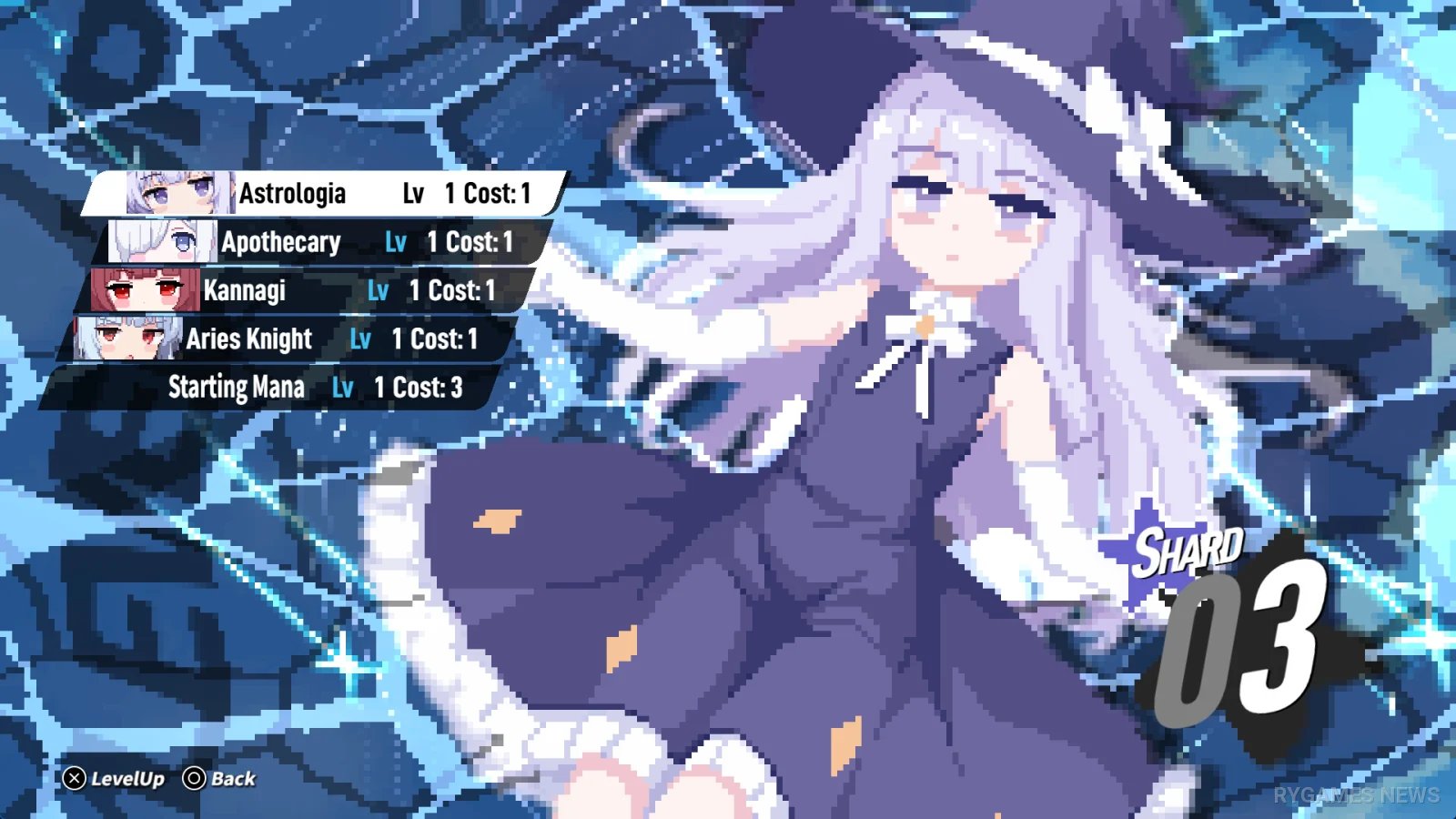
Dungeon Picnic, a party-building roguelike RPG from solo developer Lapismine, now has a limited demo available through Steam. Distribution began on September 6, 2026, giving players access to the opening area with four usable characters.
The game is designed to compress some of the most immediately rewarding parts of an RPG—party building, character growth, randomized skills and equipment, and battles against powerful enemies—into shorter runs. Combat uses a single shared Mana pool, while breaking an enemy through its weakness can grant an extra turn and reshape resource efficiency for the rest of the sequence.
Quick Summary
- Title: Dungeon Picnic
- Developer: Lapismine
- Publisher: Lapismine
- Development scale: solo / individual developer
- Platform: PC
- Store: Steam
- Steam App ID: 3736800
- Demo: available
- Demo App ID: 5207170
- Demo distribution began: September 6, 2026
- Demo status: limited-time demo
- Demo content: opening area
- Characters in demo: four
- Main party size: four
- Save transfer: not supported
- Reason for no transfer: some demo specifications differ from the product version
- Full release: unannounced
- Product price: unannounced
- Steam Next Fest: participating
- Next Fest participation begins: October 19, 2026
- Steam genre: Casual
- Steam genre: Indie
- Steam genre: RPG
- Steam genre: Strategy
- Core concept: RPG × roguelike × party building
- Character presentation: pixel art
- Combat: turn-based
- Battle resource: one shared Mana pool
- Individual MP: not used
- Break: triggered by exploiting enemy weaknesses
- Break benefit: extra turn
- Break benefit: increased Mana recovery
- Break benefit: reduced Mana costs
- Attacking broken enemies: increases critical-hit rate
- Skill system: cooldown-based
- Powerful skills: can require heavier cooldown management
- Cooldowns: can become part of a build
- Certain ultimates: use other skills' cooldown states as a cost
- Certain skills: can ignore cooldown restrictions
- Combo skills: supported
- Follow-up attacks: can bypass normal turn order
- Counters: can bypass normal turn order
- Equipment: appears randomly during runs
- Skills: appear randomly during runs
- Exploration: no traditional dungeon map
- Exploration decision: rush the boss or take risks for more rewards
- Party defeat: removes acquired run skills and equipment
- Future builds: change because rewards are randomized
- Single-player: supported
- Language: English
- Language: Japanese
- Language: Simplified Chinese
- Indonesian: not listed
- Minimum OS: Windows 11
- Minimum CPU: Intel Core i3
- Minimum RAM: 8 GB
- Minimum graphics: OpenGL support, 1 GB VRAM
- Minimum storage: 1 GB
- Demo trailer: available
- Development status: still in development
Demo, Trailer, Steam and Dungeon Picnic Gameplay

Party Building Takes Priority Over Deck Building
Dungeon Picnic explicitly describes its structure as party building rather than deck building.
Players take four pixel-art characters into the dungeon and develop the entire group through combinations of characters, equipment and skills that appear randomly during each run.
A build therefore does not necessarily revolve around a single carry. One skill may become more valuable because a certain partner is present, equipment can improve another character's function, and a newly assembled party can produce a completely different combo pattern from the previous run.
Lapismine wants the structure to deliver RPG progression even when a run is relatively short. Players still experience finding rare equipment, getting stronger during an expedition, discovering an unusually powerful combination and eventually testing that build against tougher enemies.
If the party is defeated, the acquired skills and equipment from that run are lost. Random rewards then push the next attempt toward a new party configuration rather than an exact recreation of the previous build.
Breaking a Weakness Can Steal Another Turn
The most distinctive combat mechanic is Break.
Dungeon Picnic does not give each character an individual MP pool. Instead, the entire party spends from one shared resource called Mana, meaning every action competes within the same economy.
When a player exploits a weakness and successfully breaks an enemy, several benefits activate at once.
The party receives an extra turn, Mana recovery improves, Mana costs are reduced, and attacks against an enemy currently in Break gain a higher critical-hit rate.
A weakness therefore matters for much more than bonus damage. Break can change the entire tempo of a round by creating more time and improving resource efficiency simultaneously.
A support character can even become the opening move for a larger offensive sequence. Rather than always using the strongest attacker to trigger Break, players may intentionally let a support unit do it first before spending the more favorable Mana economy on expensive attacks from another party member.
Cooldowns Are Not Just Punishment
Dungeon Picnic's skills use cooldowns, with more powerful moves generally demanding more careful management.
The developer deliberately treats cooldowns as more than a limiter, however.
Steam gives an example of an ultimate attack that can be activated by putting every other skill on cooldown. Other abilities can ignore cooldown restrictions entirely.
That means a skill being unavailable can still have strategic value.
One build may revolve around keeping key abilities ready at all times, while another can deliberately push a large portion of its kit into cooldown because doing so enables a stronger effect.
The game therefore asks players to consider three resources at once: turns, Mana and cooldown states. Even an extra turn from Break will not automatically produce the best sequence if the most important ability is still unavailable.
Follow-Ups and Counters Can Bypass Turn Order
Party synergy can also disrupt the standard turn structure through combo skills.
Lapismine explains that some follow-up attacks and counters can occur without respecting the normal turn order.
One character's action can therefore trigger another party member before the usual sequence resumes.
That design increases the importance of party composition. Players are not simply comparing the isolated damage value of each skill but also considering what one character can cause another to do.
Combined with Break, extra turns, Mana-cost reductions and critical bonuses, a good opening can potentially create a much longer offensive sequence than the familiar one-character-one-action rhythm.
That is why Dungeon Picnic presents the party as the center of its system rather than simply four high-stat units sharing the same screen.
Exploration Does Not Use a Traditional Roguelike Map
Dungeon Picnic also takes a different approach to exploration.


There is no traditional branching dungeon map constantly asking players to choose between left and right nodes.
Instead, progression is based on situations encountered during the expedition. Players evaluate the party's current condition and decide whether to push toward the boss or continue taking risks for better skills, equipment and rewards.
That trade-off matters because stronger run resources can dramatically improve the party, but every extra encounter can also consume HP or other resources before the boss.
The decision becomes a question of when to stop being greedy.
A party that already has an excellent combination may be better off heading directly toward the main fight. A weaker build may need to accept additional danger in the hope of finding the one ability or piece of equipment that transforms the run.
The Demo Only Covers the First Area
The current demo is not a condensed version of the full campaign.
The developer officially states that it provides access to the opening area with four characters.
Some specifications differ from the product version, so demo save data will not transfer when the full release eventually arrives.
The full game's release date remains To be announced on Steam, and its final price has not been announced either.
Lapismine has also confirmed that the demo will participate in Steam Next Fest beginning October 19, 2026.
That date is therefore not a full-launch date and should not be read as a confirmation that version 1.0 arrives in October.
For now, the demo is best understood as a playable test of the party-building, Break, shared-Mana, cooldown, combo and roguelike foundations of the game while development continues.
Why This Matters
1) Weaknesses affect the entire combat economy
Break can provide an extra turn, improve Mana recovery, reduce Mana costs and raise critical chances against the target rather than simply adding bonus damage.
2) Cooldowns can become resources
Certain abilities use cooldown states as requirements or costs, turning a traditional RPG restriction into part of the build system.
3) The four characters are designed to function as one unit
Shared Mana and combo mechanics encourage players to build a single party engine instead of four isolated character builds.
4) Shorter runs still aim to preserve RPG progression
Random skills, equipment, character growth, bosses and the loss of a run's build on defeat maintain roguelike tension without requiring a full-length campaign for every attempt.
Game and Demo Information
For now, the additional important information currently known includes:
- Dungeon Picnic is an indie project from Lapismine
- Lapismine is both developer and publisher
- the Steam product page uses App ID 3736800
- the demo uses App ID 5207170
- demo distribution began on September 6, 2026
- the developer describes it as a limited-time demo
- an end date for the demo has not been detailed in the primary announcement
- the demo includes the opening area
- four characters can be used in the demo
- the demo uses a four-character party
- some specifications differ from the product version
- demo saves therefore cannot transfer to the full game
- the full release remains To be announced
- the final product price remains unannounced
- Steam Next Fest participation is confirmed
- participation begins October 19, 2026
- Next Fest is not the full release date
- a new demo trailer accompanies the current demo period
- combat is turn-based
- party members do not have individual MP
- the entire group shares Mana
- exploiting weaknesses can trigger Break
- Break grants an extra turn
- Break increases Mana recovery
- Break reduces Mana costs
- attacking a broken target increases critical-hit rate
- skills use cooldowns
- some ultimates can use other skill cooldowns as part of their condition
- some abilities can ignore cooldowns
- combo skills support follow-up attacks
- combo skills can also trigger counters
- follow-ups and counters can occur outside normal turn order
- skills are acquired randomly during runs
- equipment is also acquired randomly
- defeat removes skills acquired during that run
- defeat also removes run equipment
- dungeon exploration does not use a traditional map
- players can choose between rushing the boss and risking more exploration for rewards
- the game is designed for single-player
- Steam lists English interface and subtitles
- Japanese interface and subtitles are supported
- Simplified Chinese interface and subtitles are supported
- full audio is not listed
- minimum OS is Windows 11
- minimum processor is Intel Core i3
- minimum memory is 8 GB RAM
- minimum graphics require OpenGL support and 1 GB VRAM
- minimum storage is 1 GB
- the store includes an AI Generated Content Disclosure
- the developer's disclosure says some characters were designed using AI and then created by the developer
- the disclosure does not state that every character was AI-designed
- livestreaming the demo on video platforms is allowed
- platform monetization such as YouTube Super Chat is also allowed
- the developer welcomes adding the Steam store link to video descriptions
- demo bugs can be reported through Steam Community
- official updates are available through Lapismine Official X
- the demo announcement is available through the Dungeon Picnic Official X Post
- the demo video is available through the Official Dungeon Picnic Demo Trailer
- the game page is available through Dungeon Picnic on Steam
- official community information is available through Dungeon Picnic Steam Community
Closing
Dungeon Picnic aims to make a roguelike run feel like a compact version of a complete RPG journey. Players still build four characters, collect skills and equipment, manage resources, discover combos and face bosses, while Break and shared Mana allow individual turns to expand into much longer action sequences.
The opening-area demo is now available through Steam and will participate in Steam Next Fest beginning October 19, 2026. The full release date, price, demo end date and complete product roster remain unannounced.
- Lapismine Official X — Official Dungeon Picnic Demo Launch Announcement
- Lapismine / YouTube — Official Dungeon Picnic Demo Trailer
- Steam — Official Dungeon Picnic Store Page, Gameplay Systems, Languages, Requirements, and Release Status
- Steam Community — Official Demo Content, Save Transfer, Next Fest, Streaming, and Bug Reporting Information
- 4Gamer — September 2026 Demo Launch, Fixed Four-Character Demo Party, and Gameplay Overview
- Gamer — September 2026 Demo, Party Building, Break System, Trailer, and Next Fest Information
- Game*Spark — September 2026 Demo Launch and Party-Building Roguelike RPG Gameplay Feature